
A3 vs 60cm DTF Printers: How to Choose for Your Orders
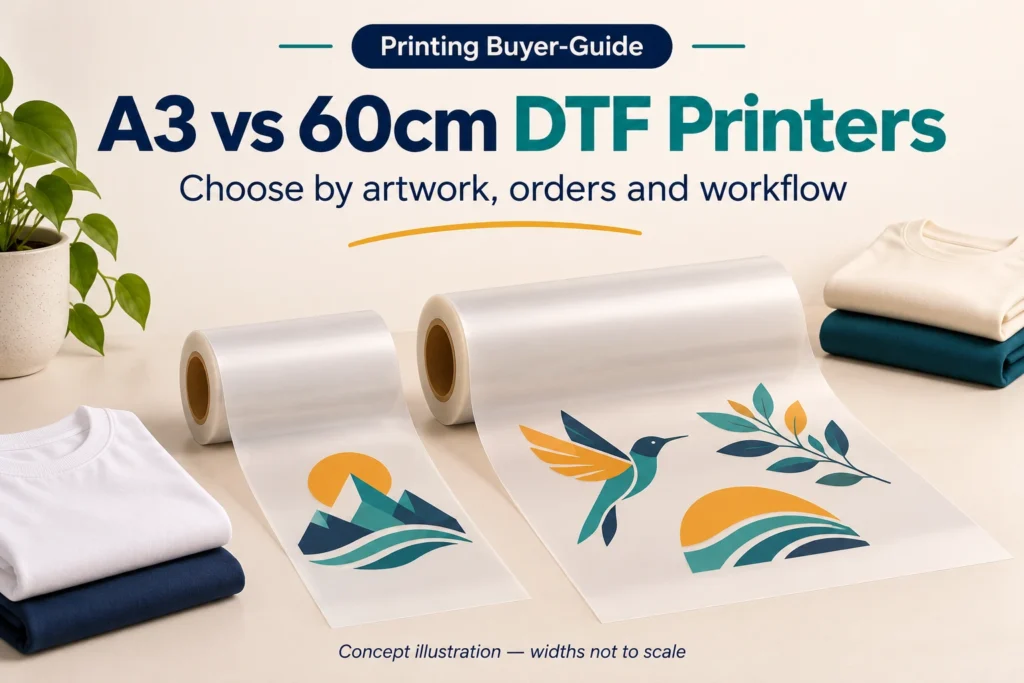
A wider DTF printer is not automatically the better investment. This guide compares A3 and 60cm setups through artwork fit, layout utilization, complete production capacity, operating requirements and practical buyer checks.
DTF Printer Cost: How to Budget for Equipment, Supplies and Production
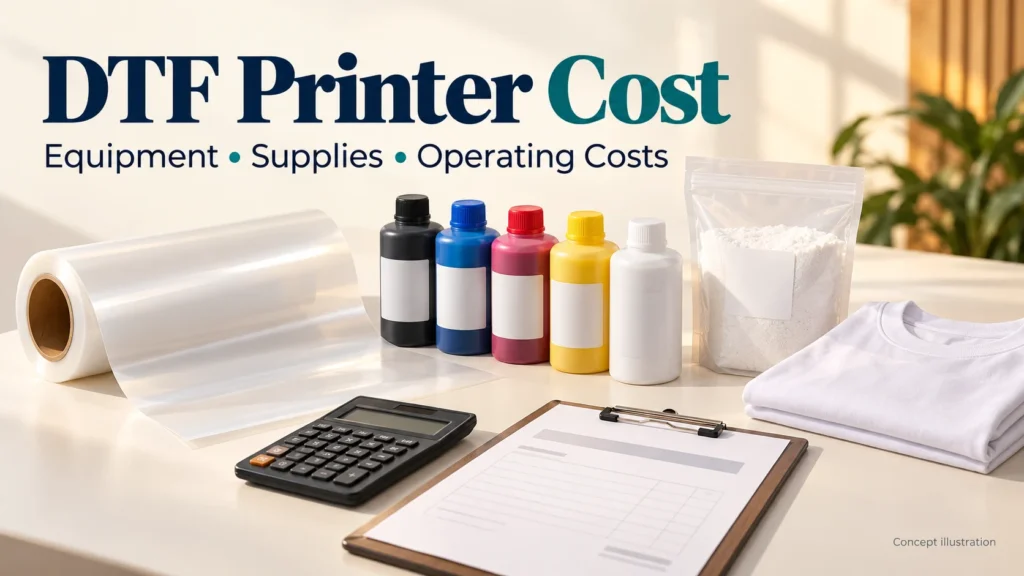
A DTF printer price is only part of the budget. This guide explains equipment, installation, consumables, labor and maintenance costs, with a practical calculation example to help you compare complete setups and evaluate in-house production.
UV DTF vs UV Printing: How to Choose for Your Products and Business
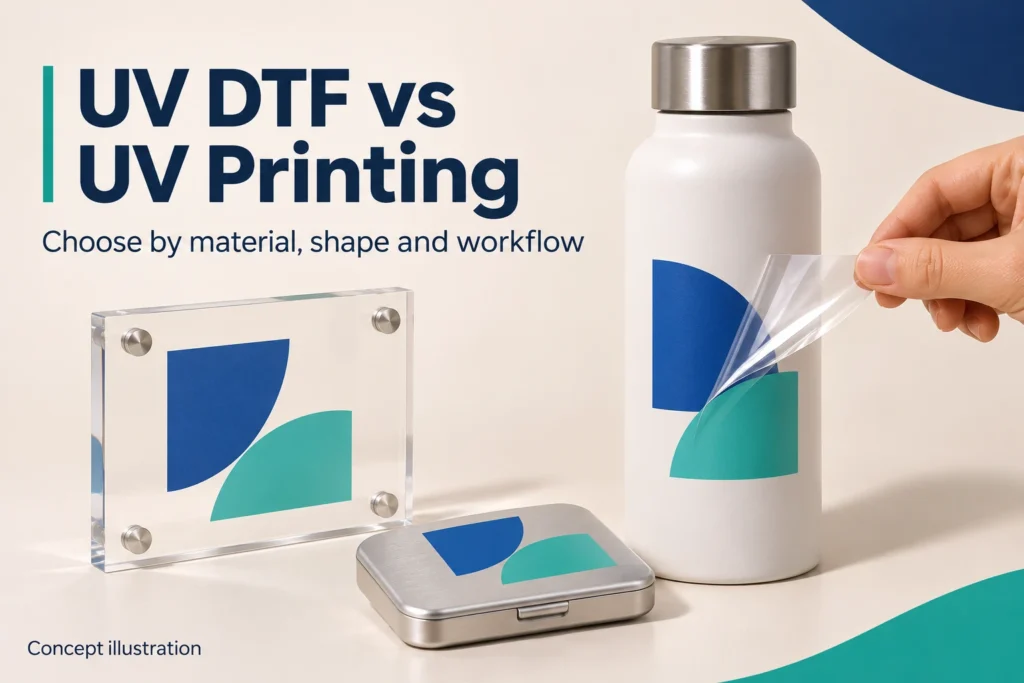
UV DTF transfers and direct UV printing use different routes to decorate objects. Compare material requirements, curved-surface handling, workflow, costs and sample checks before selecting equipment for your business.
DTF vs DTG Printing: Which Fits Your Fabrics, Designs and Business?
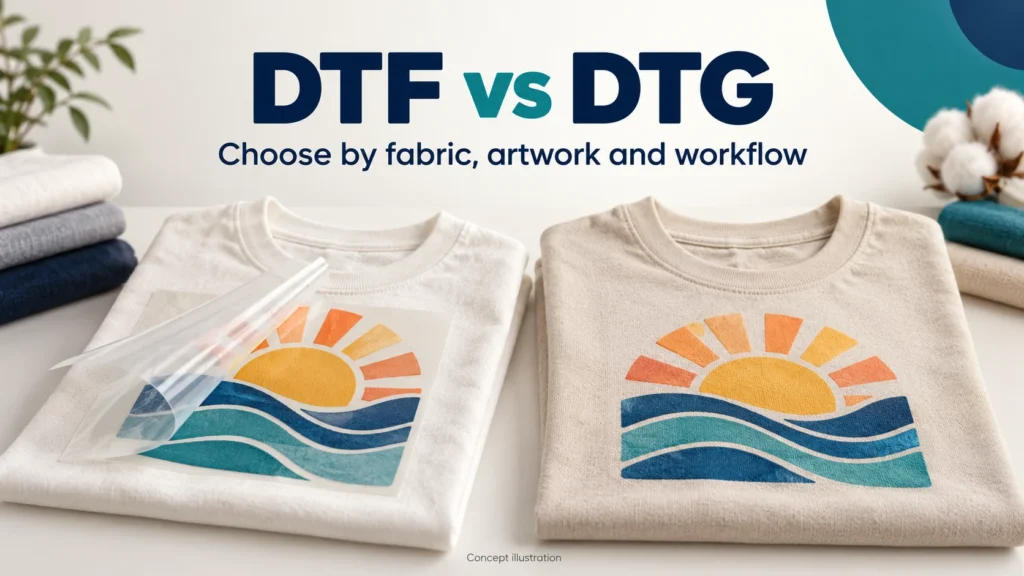
DTF and DTG offer different approaches to custom apparel printing. This guide compares fabric compatibility, artwork preparation, print feel, durability, production costs and workflow to help startups, print shops and apparel brands evaluate their options. Learn what to test before investing and how to choose a suitable setup for your garments, designs and business needs.
Complete Guide to T-Shirt Printer Machine Operation & Maintenance: 7 Core Strategies to Extend Lifespan by 2+ Years
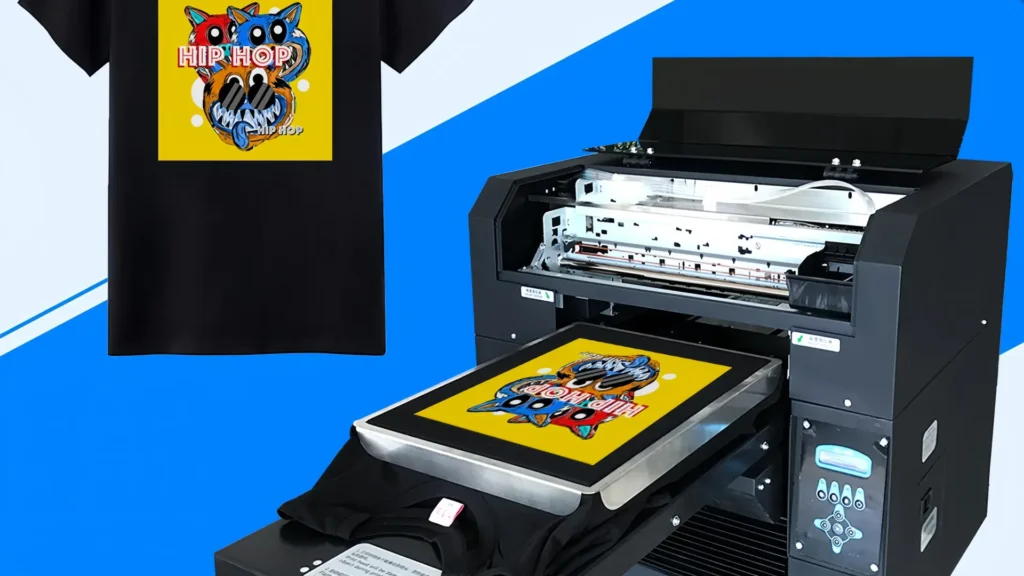
To effectively extend the lifespan of your T-shirt printer machine by at least two years and reduce costly printhead replacements, strict daily operation and preventive maintenance are essential. Protecting the precision printhead is critical: Maintain daily printing activity to prevent ink coagulation; when printing dark garments, ensure the printhead avoids contact with high-viscosity fixative agents to prevent instant clogging; strictly avoid industrial alcohol – use specialized cleaning fluids only. Selecting high-quality textile inks is fundamental. Additionally, regularly clean the encoder strip for accuracy, inspect gear tightness, and lubricate rails with specialized silicone grease. These practices ensure stable T-shirt printer machine operation, minimize failures, and optimize maintenance costs.
The Ultimate Guide to 17 Types of Fabric Printing: Techniques, Applications & Future Trends
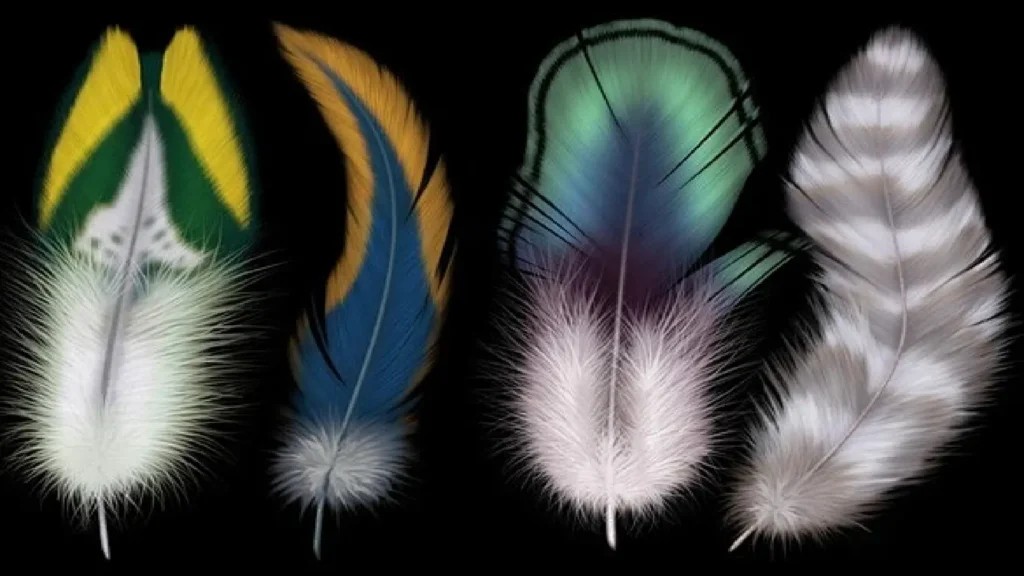
When it comes to garment design and production, the printing method directly affects pattern quality, texture, and durability. Different fabrics, design styles, and budgets require different printing techniques. This guide explores 17 types of fabric printing methods, detailing their principles, pros and cons, and best applications to help designers, brands, and manufacturers make the best choice.
What Is UV Printing? Process, Materials and Printer Selection
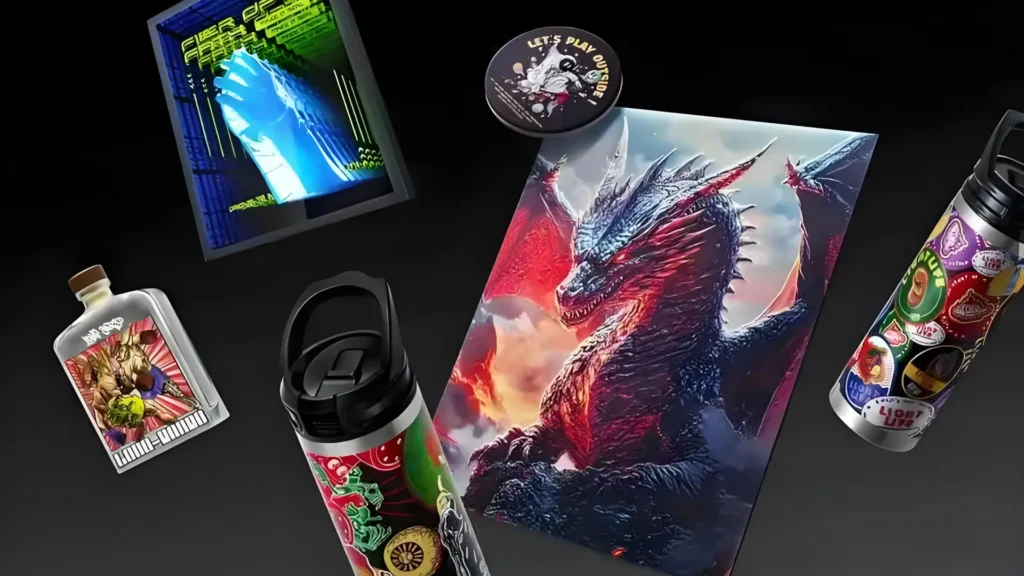
UV printing is a revolutionary digital printing technology that uses ultraviolet light to instantly cure inks, enabling efficient, high-precision, and eco-friendly printing. Its core advantages include rapid drying (instant curing), superior color reproduction and durability (scratch/UV resistance), broad material compatibility (wood, glass, metal, plastics, etc.), and zero solvent emissions. This technology is widely applied in industrial manufacturing, home decoration, advertising, premium packaging, and personalized customization, supporting diverse products from phone cases to construction materials.
In terms of cost, UV printing’s total expenses depend on equipment models (small-format machines start at 4,000;industrialmodelsreach36,000), ink consumption (1 liter covers 100-130㎡), and energy use. Long-term benefits include high production efficiency and low waste rates, significantly boosting profitability. Businesses can profit through personalized customization, advertising/signage, and home decoration, particularly in niche markets requiring small batches and high value-added products.
When selecting UV printers, prioritize print performance (resolution/speed), machine stability, cost-effectiveness, and after-sales support. Compared to traditional printing, UV printing excels in non-absorbent material handling, detail accuracy, and eco-friendliness, making it a critical tool for enhancing competitiveness in modern manufacturing.
Digital Textile Printing Machine Control Panel Display Failure: In-Depth Analysis and Color Fastness Enhancement Guide
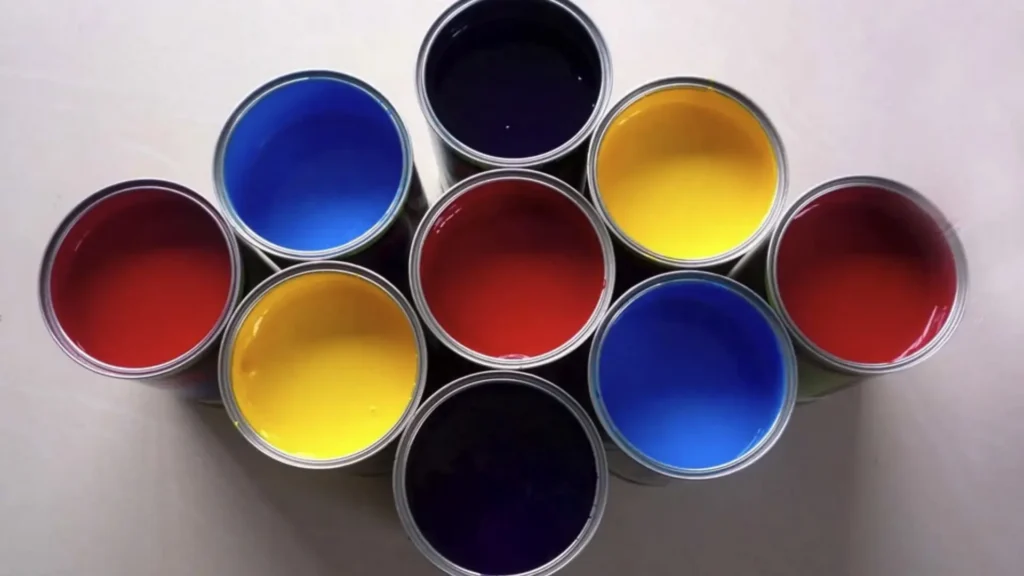
This paper addresses two core issues in digital textile printing machines, proposing systematic solutions: control panel display failures are diagnosed through a “fault tree analysis” approach covering the entire process from power circuit inspection to core board troubleshooting; color fastness enhancement is achieved via a full-chain technical system integrating “pretreatment-ink matching-fixation process-post-washing,” supplemented by fixing agent reinforcement for color durability. By integrating equipment maintenance and process optimization, the study provides actionable technical pathways for stable production and quality upgrading in digital textile printing. Keywords: digital textile printing machine, control panel failure, color fastness enhancement, fault diagnosis, technical pathway, full-process management.
How to Choose A Right Digital Printer for Your Needs: A Comprehensive Guide in 2025
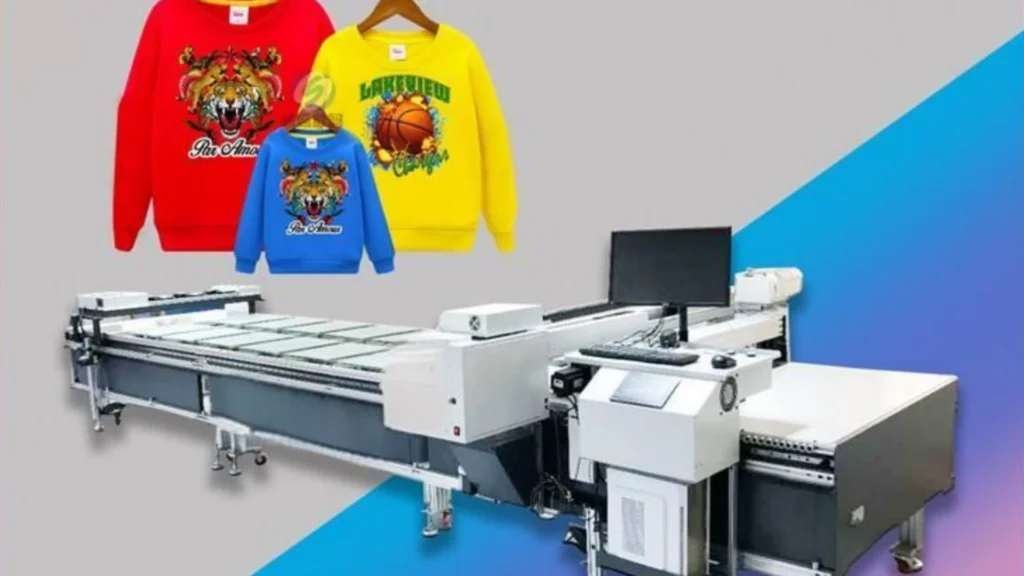
How to Choose a right digital printer for Your Needs? In the era of personalized customization and rapid delivery demands, digital textile printers have become “cash machines” for apparel, home textiles, and advertising industries. But facing equipment ranging from 4,000to4,000to400,000, how to avoid being misled by specifications?


